The Visual Zeitgeist 2025-2026
An Analysis of Key
Trends in Creative Communication
Section 1: Executive Summary & The Core Tensions of the Visual Landscape
1.1 The New Visual Language
The contemporary communication landscape is undergoing a fundamental transformation. Visuals are no longer a supplementary component of messaging but have become the primary language of work, commerce, and culture. This shift is quantifiable: visual content is not merely more appealing but demonstrably more effective, with neuroscience showing it can lead to 74% faster memory recall compared to less creative assets. The economic weight of this new language is substantial, with an estimated $143 billion invested annually in the U.S. visual content economy alone. As we move toward 2025 and 2026, understanding the grammar and syntax of this visual language is paramount. It is a language defined not by a single, monolithic style, but by a series of dynamic tensions—powerful, often contradictory forces that shape what audiences see, feel, and value.
1.2 The Four Key Dichotomies of 2025
Analysis of the emerging visual landscape reveals four central dichotomies. These tensions are the engine of creative evolution, with each trend representing a particular negotiation between these opposing poles. Understanding these foundational conflicts provides a strategic framework for interpreting and applying the specific trends detailed in this report.
The Algorithmic vs. The Human: This is the primary tension of our era, pitting the flawless, hyper-realistic, and infinitely variable output of Artificial Intelligence against a deep-seated cultural craving for authenticity, imperfection, and the tangible mark of the human hand.
The Past vs. The Future: A cultural tug-of-war exists between the comforting, warm aesthetics of nostalgia and the sleek, exciting, and sometimes cold allure of technological futurism. Visuals are increasingly used as a form of chronological escapism, allowing audiences to retreat to either a romanticized past or an idealized future.
Maximalism vs. Minimalism: This aesthetic conflict concerns visual density. On one side is a move toward rich, layered, and chaotic compositions—"cluttercore"—that demand exploration. On the other is a refined minimalism that uses high-impact, bold elements to achieve clarity and immediate focus in a saturated environment.
The Polished vs. The Raw: A divergence is evident between highly curated, aspirational, and perfected content versus unscripted, behind-the-scenes, and "in-progress" visuals that prioritize relatability and genuine connection over flawlessness.
1.3 The Rise of the "Anti-Trend"
It is critical to note a sophisticated counter-current within the creative industry: a conscious movement toward the "anti-trend." Leading creative studios and designers are deliberately seeking inspiration from sources that are "out of trend, or a bit aged". This rejection of adherence to prevailing styles is not an absence of direction but a strategic choice to carve out a unique space. The potent combination of the ROM typeface and acid green that defined the "Brat" aesthetic, for example, was chosen specifically for its "off trend" quality. This indicates that while collective trends provide a valuable map of the cultural landscape, the most innovative and resonant work often emerges from a deliberate and informed deviation from it. The trends identified in this report, therefore, should be understood not as a prescriptive manual, but as a detailed survey of the dominant tastes, processes, and cultural conversations with which—and against which—the most compelling creative work is being made.
Section 2: The AI Symbiosis: Co-Creation and the New Uncanny
Artificial Intelligence has transcended its status as a novelty to become a foundational technology in the creative process. Its influence is multifaceted, acting simultaneously as a powerful assistant, a generator of distinct new aesthetics, and a catalyst for a powerful humanist counter-reaction. The integration of AI is no longer a question of if, but how, and its presence is the single most significant factor shaping the visual trends of 2025-2026.
2.1 The AI Co-Pilot: Augmenting Human Creativity
The most immediate and widespread impact of AI is its integration into creative workflows as a "personal assistant" or "co-pilot". This partnership streamlines the entire design process, from initial ideation to final execution. Designers are leveraging AI for gathering references, brainstorming concepts, and suggesting taglines. AI tools are now capable of assisting with layouts, generating color palettes, and even producing full branding systems, enabling endless variations and accelerating productivity. This augmentation is not theoretical; it is being implemented at scale. Data shows that AI tools have helped 90% of creators with their productivity, and 76% of architectural and construction firms are planning to adopt AI into their workflows. The role of AI is to handle repetitive, time-consuming tasks, thereby liberating human designers to focus on higher-level creative direction and strategic thinking. Major brands have moved AI from the experimental phase to the core of their campaign production. Nike's "Luminous Legacy" concept campaign, for instance, was generated entirely with Midjourney AI and finished with Adobe Photoshop, demonstrating the viability of AI in top-tier advertising. This signifies a critical shift: AI is no longer just a tool for non-designers but a powerful instrument for professionals to amplify their existing skills and achieve extraordinary results.
2.2 The Algorithmic Aesthetic: Emerging AI Art Styles
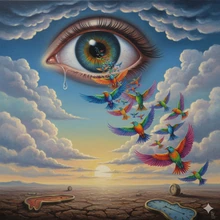
Hyper-Realism and AI-Infused Surrealism: The most dominant AI aesthetic is the creation of realistic, highly detailed depictions of subjects that do not exist in the real world. This hyper-realism blurs the line between a photograph and a digital creation, producing art with unprecedented detail that is in high demand for marketing, gaming, and advertising. A key application of this trend involves mixing AI-generated art with real photography to create surreal, dreamlike visuals that challenge viewer expectations.
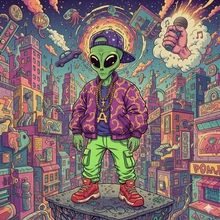
Pop Surrealism: Also known as Lowbrow art, this style leverages AI's ability to blend disparate elements, mixing whimsical, humorous, or grotesque characters with surreal atmospheres. It draws heavily on pop culture references, creating a sense of playful irony that resonates strongly on social media and within the NFT space. Examples can be seen in AI-generated galleries featuring cartoon-style aliens in rapper attire or surrealist portraits with faded glows.
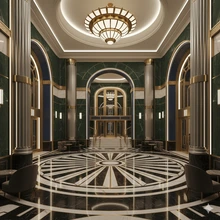
Art Deco Revival: AI is fueling a modern resurgence of the 1920s-30s Art Deco aesthetic. Generators excel at creating the style's signature elements: bold, perfect geometric shapes, rich color palettes, and luxurious metallic finishes. This revival blends vintage elegance with futuristic themes, making it ideal for architectural visualizations, luxury branding, and stylized portraits.
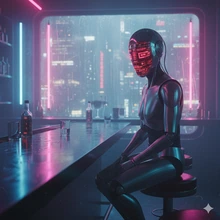
Cyberpunk Neon & Cyber Noir: This aesthetic is characterized by gritty, high-tech dystopian cityscapes, glowing neon lights, and futuristic technology, heavily inspired by films like Blade Runner. It combines dark, moody tones with sharp contrasts from neon accents, creating a cyberpunk mood popular in tech, gaming, music, and nightlife promotions. AI art galleries are replete with examples of neon-soaked alleys, futuristic cyborgs, and glowing holographic advertisements.
2.3 Navigating the Uncanny Valley: The Humanist Counter-Reaction
The most profound impact of AI on the visual landscape is not in the styles it generates, but in the powerful counter-trends it provokes. The proliferation of flawless, algorithmically perfect imagery has created a cultural and aesthetic vacuum. In response, designers and audiences are placing a new premium on visuals that signal a clear "human-made" origin. This has catalyzed a renaissance of texture, imperfection, and analog aesthetics. This reaction is not a coincidence but a direct causal relationship. The rise of Textured Grains in graphic design is explicitly identified as a response to the industry's need for "a little imperfection during a time wherein flawless AI-generated imagery has become ubiquitous". This single trend is part of a larger cluster of aesthetics rooted in the same impulse. Refined Grit embraces raw textures but adds a layer of polish. Etches and Imprints goes further, celebrating human-made flaws like smudges, fingerprints, and organic textures as a central design element—an "anti-synthetic aesthetic". Similarly, Childlike Textures favors the rough strokes and bold, uninhibited lines of hand-drawn art. Together, these trends represent a strategic reassertion of human touch, using texture and flaw not just as a style, but as a key market differentiator in an increasingly synthetic visual world.
Section 3: The Temporal Tug-of-War: Nostalgia and Futurism in Dialogue
The visual culture of 2025-2026 is defined by a powerful tension between a longing for the past and an embrace of the future. These are not merely parallel trends but two sides of the same coin: a form of "chronological escapism" from the complexities and anxieties of the present moment. Brands and creators are using visual language to transport audiences to either a romanticized, comforting past or an idealized future. The specific aesthetic chosen is a strategic declaration of a brand's relationship with the contemporary world.
3.1 The Comfort of the Past: The Resurgence of Retro & Analog
Nostalgia has emerged as a potent force in design, serving as an emotional bridge to cherished memories and providing a sense of comfort and authenticity in an era of rapid technological change. This yearning for the tangible and familiar is a direct counteract to the pervasive digitalization of daily life.
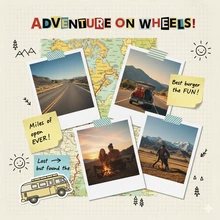
Structured Scrapbook & Collage: This trend marks a digital revival of a physical, analog craft. It involves the careful layering of images, paper cutouts, doodles, digital tape, and Polaroid-style frames to create a tactile, collage-like effect. This aesthetic, particularly popular in Instagram carousels, moves away from slick, corporate design toward something more human, personal, and relatable. It is a structured, considered approach to the charming chaos of old-school scrapbooking.
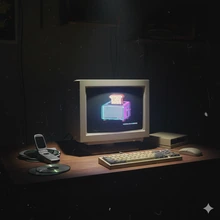
Nostalgic Networks & Pixelation: This trend is a minimalist take on the aesthetics of the 90s and early 2000s tech. It features pixelated fonts, retro-tech icons, ASCII art, and the muted color palettes of early digital screens. The style evokes a playful, tech-savvy vibe that feels both modern and anchored to a simpler, more optimistic digital age. It is a retreat not to an analog past, but to a less complicated digital one.
Retro Serif & Vintage Typography: The use of serif fonts and color palettes from past decades, combined with modern, clean layouts, is a popular branding strategy. This approach establishes a sense of nostalgia and whimsy while maintaining a fresh, contemporary feel, conveying trustworthiness and experience.
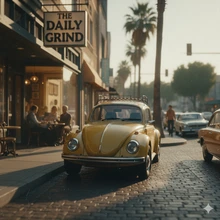
Photography's Retro Wave: A dominant trend across photography is the emulation of analog film aesthetics. This includes the deliberate addition of grainy textures, the use of film-inspired color grading with faded hues, and the replication of imperfections like light leaks. This style evokes a sense of warmth, timelessness, and sentimental, heirloom quality, directly pushing back against the clinical sharpness of modern digital sensors.
3.2 Visions of Tomorrow: Futurism and Tech-Forward Aesthetics
In direct opposition to the comfort of nostalgia, a suite of futuristic trends projects a vision of tomorrow that is sleek, dynamic, and technologically advanced.
Retro-Futurism: This hybrid aesthetic blends the sci-fi visuals of the past—particularly the 70s and 80s, with their synthwave palettes, chrome finishes, and neon grids—with modern design sensibilities. It taps into a nostalgia not for the past itself, but for the past's optimistic and imaginative visions of the future.
Metallics and Chrome: Shades of silver, chrome, and other metallic hues are rising in popularity, creating a sleek, cool, and futuristic aesthetic. This trend is underscored by professional forecasting, with WGSN and Coloro naming "Future Dust"—a dark, muted shade with hints of purple and grey that evokes a metallic quality—as a Color of the Year for 2025.
Immersive 3D & Motion: Digital experiences are increasingly shaped by 3D elements, powered by advancements in AR and VR. Users now expect interactive 3D models, spatial navigation, and dynamic animations in e-commerce and on social media. A key manifestation is the Motion Poster, which blends the impact of a static visual with subtle, looped animations, perfect for capturing attention on social feeds.
High-Contrast Neon: A defining color trend is the use of striking, high-impact color combinations, particularly dark backgrounds paired with vibrant neon accents. Combinations like dark blue with neon orange, or dark mode UIs with electric yellow and neon green, create a bold, energetic, and futuristic look. This high-contrast approach is highly effective for cutting through the visual noise of digital screens.
Section 4: The Authenticity Imperative: Human Touch in a Digital World
In a visual landscape increasingly populated by polished perfection and synthetic, AI-generated content, "authenticity" has evolved from a mere marketing buzzword into a tangible and highly sought-after visual aesthetic. This imperative for the real and relatable is a powerful cultural force, reshaping visual communication across all platforms. The aesthetic of authenticity is now codified through a specific set of visual cues—grain, blur, candidness, handwriting, smudges—that function as "trust signals" to an audience that has grown skeptical of overly curated and algorithmic content.
4.1 The Rise of Raw & Real
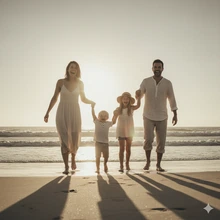
Candid Storytelling in Photography: A fundamental shift is underway in portrait and lifestyle photography, moving away from overly posed and perfected shots toward the capture of raw emotions, natural interactions, and unscripted moments. The goal is to create images that feel genuine and highlight real connections, prioritizing relatability over technical perfection.
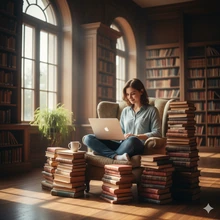
The "FaceTime" Era on TikTok: On platforms like TikTok, content has moved toward a more casual, off-the-cuff style of storytelling. This approach makes followers feel as though they are catching up with a friend over a FaceTime call, a dynamic that prioritizes companionship and connection over pure entertainment.
Personality Over Perfection: The era of the hyper-curated, flawless Instagram aesthetic is waning. Audiences now crave messy, unfiltered, and behind-the-scenes content that feels more human. This is exemplified by the popularity of the "photo dump," a carousel of seemingly random, unedited photos that collectively tell a more authentic story of a moment or period.
User-Generated Content (UGC): Brands are increasingly leveraging the power of authentic content created by their own customers. Hard-selling promotional tactics are proving less effective than the relatability of UGC. Massive, community-driven campaigns built around hashtags like Apple's #shotoniphone (with over 31 million posts) demonstrate that consumers trust and value visuals from real people.
4.2 The Mark of the Maker: Celebrating Imperfection
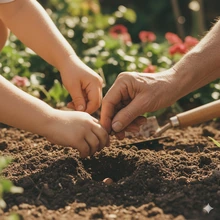
This desire for authenticity has given rise to a family of design trends that explicitly celebrate the imperfections and unique qualities of the human hand, standing in direct opposition to the precision of digital and AI tools.
Etches, Imprints & Anti-Synthetic Aesthetics: This trend reclaims the human element of the creative process by making it visible. It focuses on incorporating human-made imperfections like smudges, fingerprints, ink marks, and raw textures directly into the design. It is a tangible pushback against synthetic perfection, allowing designers to literally leave their mark on their work.
Childlike Textures & Doodles: Embracing a playful and uninhibited aesthetic, this trend utilizes thick, organic lines, bold and expressive colors, and a distinctly hand-drawn feel. These doodle-like elements add warmth, energy, and a sense of approachable creativity to branding and social media visuals.
Crafted Harmony & Wabi-Sabi: Drawing from traditional arts and philosophies like the Japanese concepts of Wabi-Sabi (finding beauty in imperfection) and Ikigai (a reason for being), this trend emphasizes the authenticity of natural materials and simple beauty. It offers a genuine, calming connection in a virtual world, resonating with consumers seeking tranquility and meaning.
Section 5: The Density Dialectic: Navigating Visual Complexity
As brands and creators compete for attention in an increasingly crowded digital space, two opposing strategies for visual density have emerged. These are not simply aesthetic preferences but divergent tactics for achieving the same goal: to capture and hold the viewer's focus. Maximalism works by overwhelming the senses with rich complexity, forcing the viewer to slow down and explore. Bold Minimalism, in contrast, works by shocking the senses with stark clarity and immediate impact. A brand's choice between these poles is a strategic decision about how its story should be told and consumed.
5.1 More is More: The Return of Maximalism
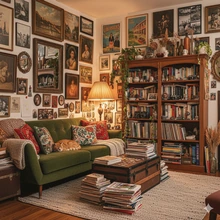
After years dominated by clean, minimalist aesthetics, a powerful counter-movement toward visual richness and complexity is gaining momentum. This new maximalism is eclectic, energetic, and unapologetically bold.
Cluttercore & Vintage Maximalism: This trend is a direct and conscious rejection of what some audiences perceive as "faceless" minimalism. It embraces a "friendly, warm chaos," filling compositions with eclectic elements, vintage maximalism, and personal trinkets that tell a unique story. It is a style for brands that are not afraid to be "weirdly authentic" and show the vibrant life behind their products.
Mismatched and Bright: A key expression of maximalism, this style combines elements that might traditionally seem to clash. It features bright, high-contrast colors, a mix of mismatched fonts varying in size and style, and playful, asymmetrical layouts. The result is a dynamic, energetic, and distinctive visual identity.
Maximalist Illustration: In the realm of illustration, the mantra for 2025 is "more is more". This trend involves creating elaborate, complex, and busy illustrations that are colorful and vibrant. The density of these visuals is intentional; it compels the audience to slow their scroll and take time to acknowledge the intricate detail and craftsmanship of the work.
Eclectic Aesthetics on Social Media: On platforms like Instagram, maximalism manifests as an embrace of "visual chaos". This involves layering multiple patterns, using bold and varied typography, and mixing a range of unexpected elements to create eye-catching visuals that are impossible to ignore in a fast-moving feed.
5.2 Less is Bold: The Evolution of Minimalism
Minimalism is not disappearing; it is evolving. The new minimalism of 2025-2026 is not stark or empty but strong, confident, and impactful. It uses simplicity as a tool for emphasis, creating powerful statements with carefully chosen elements.
Bold Minimalism: This is the dominant evolution of the minimalist trend. It operates on the principle of using very few design elements but giving those elements heavy visual weight. This is achieved through the use of bold, often oversized typography, vibrant and high-contrast color palettes, and a generous, strategic use of negative space to make the featured elements stand out. It is a style that communicates confidence and clarity, cutting through visual noise with precision.
Not-Quite Minimalism: This hybrid style offers a middle ground, maintaining the clean layouts and simplicity of traditional minimalism but injecting personality with bold accents. This could be a single piece of striking photography, a pop of a clashing color, or a quirky, expressive font that disrupts the otherwise serene composition.
Functional and Serene: Inspired by Japandi design—a fusion of Japanese minimalism and Scandinavian functionality—this trend focuses on creating a calm, practical, and timeless aesthetic. It utilizes muted, neutral color palettes, textures that mimic natural materials like wood and stone, and clean, uncluttered layouts that prioritize functionality without sacrificing warmth and elegance.
Section 6: The Eco-Aesthetic: Nature as Muse and Mandate
The growing global consciousness around environmental issues and a collective desire for a deeper connection to the natural world are profoundly influencing visual language. The "Eco-Aesthetic" has matured significantly beyond the simple use of green color palettes and leaf motifs. It now encompasses a sophisticated spectrum of styles, from rustic authenticity to tech-infused naturalism, reflecting a more complex and nuanced societal relationship with the environment. This allows brands to communicate very specific ideologies about sustainability, wellness, and the future of our planet.
6.1 Rewilding Design & New Naturalism
At one end of the spectrum is a movement to bring the raw, untamed beauty of nature back into our digital and physical spaces. This trend is a modern interpretation of historical "back-to-the-earth" movements, updated for a contemporary audience.
Rewilding Design focuses on incorporating organic and natural elements directly into visual compositions. This includes the use of natural textures like wood grain, stone, and foliage; flowing, curved shapes that mimic forms seen in the natural world; and earthy color palettes dominated by greens, browns, and blues.
New Naturalism combines these earthy elements with sleek, contemporary design principles. It values simplicity and clean living but enriches it with the raw beauty of nature, creating a look that feels both sophisticated and grounded.
6.2 Biophilic and Sustainable Visuals
Moving beyond pure aesthetics, this aspect of the trend incorporates the philosophical and psychological benefits of nature, as well as the ethical imperative of sustainability.
Biophilic Art is the practice of integrating natural elements into art and design with the specific goal of fostering a connection to nature and promoting human well-being. This approach is less about a rustic look and more about creating spaces and visuals that are calming, restorative, and life-affirming.
Mechanical Botanical is a fascinating sub-trend that fuses the organic with the technological. It creates a harmonious blend of natural elements, like flowers and plants, with iridescent, futuristic colors and metallic sheens. This style communicates a vision of a future where technology and nature coexist and enhance one another, reflecting innovation in sustainability.
Sustainable Design involves the conscious use of visuals that communicate a brand's commitment to eco-friendly practices. This can manifest as textures that evoke recycled materials, imagery of pristine landscapes, or messaging that aligns with the values of environmentally conscious consumers. It is a direct visual response to the demand for corporate responsibility and transparency.